⚠️ Sudden Death in Cattle

⚠️ Sudden Death in Cattle: Common Causes and How to Prevent It

Sudden death in seemingly healthy cattle is a major concern for many producers. While it may appear mysterious at first, there is often a clear physiological or toxic cause behind it, typically linked to nutrition imbalances, infectious diseases, metabolic disorders, or intoxication.

Recognizing early warning signs and having preventive management protocols in place can be the difference between saving an animal or losing it without warning.


What is considered sudden death in cattle?

In veterinary medicine, sudden death is defined as the unexpected loss of a bovine, showing few or no warning signs, within a short timeframe — often hours or even minutes.

While it can be challenging to diagnose, the most common causes are well documented and often preventable.


Most frequent causes of sudden death in cattle

💥 Here are the leading factors associated with sudden death in cattle:


✅ 1. Acute bloat (ruminal tympany)

  • Caused by excessive gas accumulation in the rumen, which compresses the diaphragm and leads to asphyxiation.

  • Often triggered by abrupt dietary changes, heavy intake of fresh legumes (e.g., alfalfa, clover), or stress.

  • This is a medical emergency and requires immediate action — tubing, trocar use, or antifoaming agents.


✅ 2. Clostridial diseases (enterotoxemias)

  • Caused by Clostridium bacteria, such as C. chauvoei (blackleg) or C. perfringens.

  • These pathogens release potent toxins that rapidly destroy tissues and organs.

  • Common in fast-growing calves or those on high-energy diets.

  • Prevention through timely vaccination is highly effective.


✅ 3. Metabolic disorders: hypocalcemia and hypomagnesemia

  • Typically affect high-producing cows or those grazing on poor-quality pastures.

  • Hypocalcemia (milk fever) and hypomagnesemia (grass tetany) impact the neuromuscular and cardiovascular systems.

  • Prompt mineral supplementation is key to prevent collapse or death.


✅ 4. Heat stroke or severe stress

  • Cattle exposed to high heat and humidity without proper shade or water can suffer from heat stress and circulatory failure.

  • Severe stress from transport, overcrowding, or abrupt changes can also lead to cardiovascular collapse.

  • Animal welfare, hydration, and low-stress handling reduce this risk.


✅ 5. Acute intoxications

  • Numerous toxins can lead to rapid death in cattle:

    • Urea poisoning, often due to improper supplementation.

    • Nitrate/nitrite poisoning from poorly stored silage or drought-stressed forage.

    • Toxic plants like castor bean, nightshade, and milkweed.

  • Pasture monitoring and forage testing are essential preventive tools.


What to do if sudden death occurs

🧪 Proper response includes:

  • Immediate necropsy if possible to identify internal lesions or toxic signs.

  • Collecting samples (rumen content, liver, blood) for lab analysis.

  • Biosecurity protocols in case of infectious disease suspicion.

  • Reviewing feed, herd behavior, and recent changes to identify contributing factors.

Early detection and fast response are critical. Always work with a qualified veterinarian.


Prevention is your best tool

✅ Train your team to identify early warning signs
✅ Maintain an updated vaccination program
✅ Adjust diets based on season and physiological stage
✅ Prevent access to toxic plants and properly manage supplements like urea
✅ Always consult a veterinarian for customized herd health strategies


Final thoughts

Sudden death in cattle is not random. With good observation, early intervention, and technical training, it’s possible to significantly reduce these losses.

At BovinosVirtual, we help ranchers and veterinarians prepare for real-life emergencies through science-based, practical training.

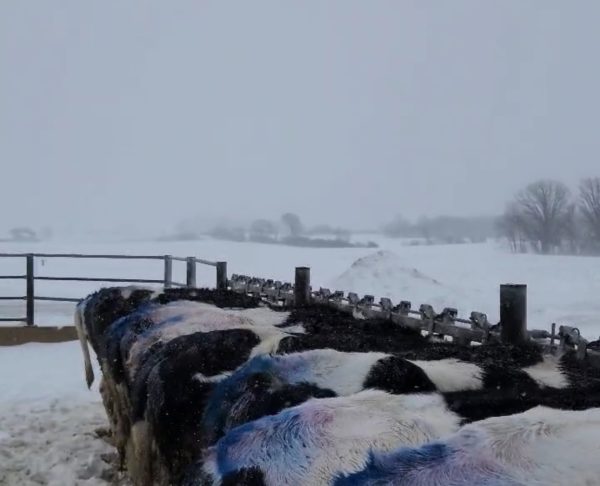
Cold Stress in Cattle

❄️ Cold Stress in Cattle: Impact on Production, Health, and Practical Management

Cold stress is an often overlooked condition in cattle, yet it can significantly affect productivity, weight gain, milk production, and overall animal health.

While heat stress is widely recognized and studied, cold environments—especially in temperate or high-altitude areas—can lead to major losses if nutritional and environmental management is not adjusted.


What is Cold Stress?

Cold stress begins when ambient temperatures drop below the animal’s lower critical temperature (LCT). At this point, the cow starts using extra energy just to maintain her core body temperature.

If this additional energy requirement is not met through the diet, the animal will begin to lose body condition and productivity.


When Does It Occur?

An adult cow in good body condition with a dry winter coat can tolerate cold fairly well. However:

  • When the wind-chill index drops to around –7 °C (19.4 °F), her energy needs increase.

  • If the animal is wet, underweight, or standing in mud, her cold tolerance is reduced, and cold stress can begin at 0–5 °C (32–41 °F).

These conditions increase energy expenditure and reduce efficiency—especially dangerous during lactation, early postpartum, or in growing calves.


What Happens in the Body?

For every degree below her critical temperature, a cow requires 1–2% more dietary energy. If this is not provided, the following signs appear:

  • Lower feed intake

  • Reduced weight gain

  • Decline in milk production

  • Increased susceptibility to disease

In calves, cold stress can delay growth, weaken immunity, and increase mortality risk.


Why Not Use the THI?

The Temperature-Humidity Index (THI) is widely used to assess heat stress, but it does not apply to cold stress.

Instead, cold stress is evaluated with different tools:

  • Wind-Chill Index: combines wind speed and temperature

  • Lower Critical Temperature (LCT): species- and condition-specific

  • Cold Stress Index: includes temperature, wind, and humidity

These help determine when cold management measures are necessary.


What Can You Do on Your Ranch?

If you’re raising cattle in cold climates, elevated regions, or managing livestock during winter, here are three key actions to reduce the impact of cold stress:

Keep the coat dry
Provide shelter, windbreaks, and dry bedding to reduce heat loss.

Minimize mud
Improve drainage and use dry bedding to reduce exposure to moisture and cold ground.

Increase dietary energy
Boost energy density in feed with grain or protected fats during extremely cold days to meet increased maintenance needs.


Conclusion

Cold stress is real, silent, and costly. Unlike heat stress, it’s often harder to notice—until production declines or health issues appear.

At BovinosVirtual, we promote modern, science-based livestock management. Our hands-on training in nutrition, comfort, and climate adaptation helps producers protect productivity and animal welfare.

Follicular Cysts with Trabeculae in Cattle

Follicular Cysts with Trabeculae in Cattle: Diagnosis, Impact, and Reproductive Management

Ovarian cysts are among the most common causes of infertility in cattle. A specific and often underdiagnosed type is the follicular cyst with trabeculae, which requires transrectal ultrasonography for accurate detection.

These cysts directly affect herd reproductive efficiency by causing anestrus, irregular cycles, failed inseminations, and extended calving intervals — all of which result in significant economic losses for both beef and dairy operations.


What Are Follicular Cysts with Trabeculae?

Follicular cysts are defined as fluid-filled ovarian structures over 2.5 cm in diameter that persist for more than 10 days without ovulation and without the presence of a functional corpus luteum.

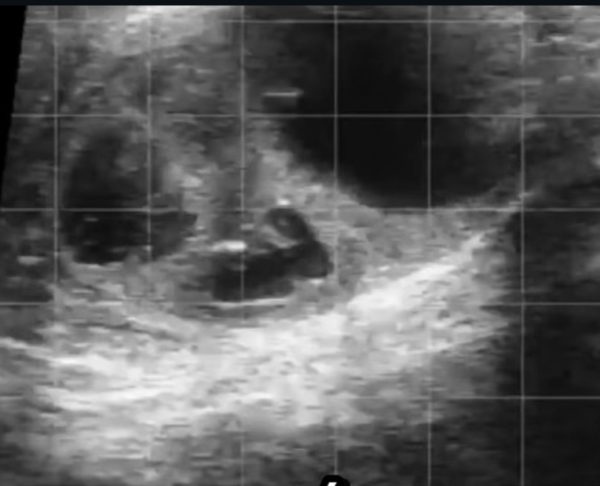
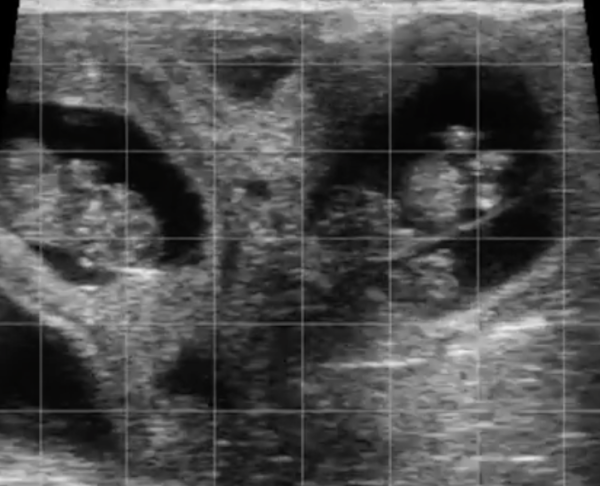
When internal walls or partitions form inside these cysts, they are classified as follicular cysts with trabeculae. On ultrasound, they appear as anechoic cavities with fine echogenic lines creating compartments within the cyst.


Causes and Contributing Factors

These cysts are caused by a dysfunction in the hypothalamic-pituitary-ovarian axis, typically due to:

  • Abnormal luteinizing hormone (LH) release

  • Negative energy balance postpartum

  • Poor body condition (too low or too high)

  • Genetic predisposition

  • Improper management during early postpartum or synchronization protocols

The trabeculae themselves are not the cause, but a morphological evolution of the cyst, often making it more resistant to treatment.


How Are They Diagnosed?

The only reliable way to diagnose this type of cyst is through transrectal ultrasonography, ideally with 7.5 MHz probes for high-resolution imaging.

Typical ultrasound findings:

  • Circular structure over 25 mm

  • Thin external wall

  • Anechoic internal fluid

  • Fine internal echogenic lines (trabeculae), single or multiple

⚠️ Rectal palpation cannot detect trabeculae, which makes it easy to confuse these cysts with functional follicles or simple cysts.


Reproductive Impact

Follicular cysts with trabeculae are often persistent and less responsive to standard hormonal treatments, especially if misdiagnosed.

📉 Effects on herd fertility:

  • Prolonged anestrus

  • Increased days open

  • Failed AI attempts

  • Higher costs in synchronization programs

  • Lower pregnancy rates in timed AI protocols


Treatment Options

Treatment should be based on accurate ultrasound diagnosis. Recommended protocols include:

  • GnRH (e.g., Buserelin, Lecirelin) to induce luteinization

  • PGF2α 7–9 days later if a corpus luteum develops

  • In stubborn cases: progesterone-based resynchronization protocols (intravaginal devices + estradiol)

  • Recheck via ultrasound after 10 days to assess treatment success

🧪 Follow-up is key: shrinking cyst, CL formation, or full resolution are signs of progress.


Can They Be Prevented?

Yes — prevention depends on proper postpartum and metabolic management:

✅ Balanced energy intake during transition
✅ Body condition scoring at calving and before breeding
✅ Proper execution of synchronization programs
✅ Early ultrasound monitoring, especially in high-value cows


Conclusion

Follicular cysts with trabeculae are a reproductive challenge that require specific identification and treatment. Ultrasonography is essential for distinguishing these cysts from others and avoiding ineffective or costly protocols.

At BovinosVirtual, we teach our students how to detect, interpret, and manage these conditions in real animals — not with simulators — through hands-on courses in ultrasound, palpation, and reproductive protocols.

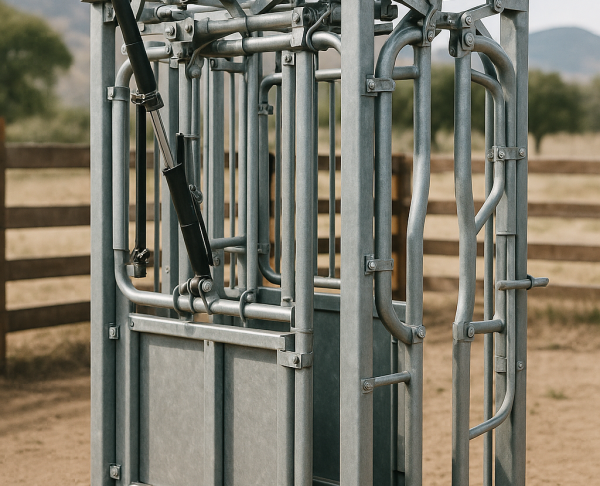
Cattle Chutes: Complete Guide and 10 Key Features for Safe and Efficient Livestock Handling

Cattle chutes are essential facilities in professional cattle farming. Their main purpose is to facilitate the safe handling of livestock, ensuring both worker safety and animal welfare.

In cattle herd management, chutes allow precise and controlled execution of procedures such as:
• Rectal palpation and reproductive ultrasound.
• Artificial insemination and embryo transfer.
• Vaccination, deworming, and medical treatments.
• Identification (ear tags, tattoos, branding, microchips).
• Minor surgical procedures (dehorning, castration).
• Hoof trimming and orthopedic corrections.

The importance of having a high-quality chute lies in the fact that it reduces animal stress, increases work efficiency, and minimizes the risk of accidents.

Below, we present the 10 key features every cattle chute should have, based on academic standards of livestock handling and animal welfare.

1. Strength and Durability

Chutes should be built from high-resistance materials such as galvanized steel or structural steel with anticorrosive coatings.
• Durability is critical as they are exposed to sun, rain, urine, and manure.
• A strong structure can withstand the force of adult cattle weighing between 500 and 1,200 kg (1,100–2,600 lbs).
• Investing in quality materials prevents frequent repairs and ensures long service life.

2. Ergonomic and Safe Design

Proper design avoids injuries and reduces animal suffering.
• Smooth surfaces without sharp edges prevent cuts or bruises.
• Alleys must be wide enough for cattle to move comfortably but narrow enough to prevent turning around.
• Solid walls (instead of open bars) help cattle move forward calmly by reducing visual distractions.

3. Efficient Restraining System

The headgate or neck clamp is the core of the chute.
• It must immobilize the animal securely without restricting breathing.
• Adjustable models allow safe handling of calves, cows, and bulls.
• Some systems feature automatic headgates that close as the animal enters, minimizing operator effort.

4. Easy Entry and Exit

A quality chute should allow:
• Smooth entry from the alley, guiding animals calmly.
• Rear safety gate to prevent backward movement.
• Quick, safe exit, reducing crowding and potential injuries.

Poor design in this area is often the main cause of accidents for both workers and cattle.

5. Adaptability to Different Types of Cattle

Handling calves, dairy cows, or breeding bulls requires different adjustments.
• Modern chutes offer height and width adjustments.
• Some models are specialized for dairy, feedlot, or reproductive management.
• Versatility is important for mixed herds.

6. Practical Operation Mechanisms

Labor effort is an important factor in chute design.
• Chutes can be manual, hydraulic, or pneumatic.
• Hydraulic systems provide greater comfort and precision, ideal for large herds.
• Manual systems, while requiring more effort, are cost-effective and widely used by small and medium producers.

A practical mechanism allows handling with fewer workers and greater safety.

7. Worker Safety

Personnel must be protected from kicks, horns, or sudden movements.
• Chutes should include emergency exits for quick operator escape.
• Side access doors allow handling without direct exposure.
• Protective bars and locking systems reduce accident risks.

8. Versatility in Handling

A chute should not be limited to a single function.
• Side access points allow reproductive exams, hoof trimming, and sample collection.
• Adjustable windows facilitate vaccination and drug administration.
• Some chutes include platforms for minor surgical procedures.

This makes the chute a complete livestock handling station.

9. Stress Reduction in Cattle

Low-stress handling is increasingly adopted in modern cattle production.
• Curved alleys simulate natural herd movement.
• Solid walls prevent external distractions.
• Progressive flow of cattle avoids sudden movements or crowding.

Lower stress in cattle results in:
• Fewer injuries.
• Stronger immune response.
• Better reproductive and productive performance.

10. Cost-Benefit Balance

Although a chute may seem like a high initial investment, the economic return is significant:
• Fewer losses from injuries or accidents.
• Reduced need for large numbers of workers.
• Improved efficiency in health and reproductive programs.

Prevention of Abortions in Cattle

Abortion in cattle is a significant issue in livestock production, with considerable economic and reproductive impacts. Various factors can trigger pregnancy loss, including infectious agents, nutritional deficiencies, inadequate management, and adverse environmental conditions (Peter, 2013). Among these, nutrition plays a fundamental role in preventing abortions and ensuring fetal viability. This article explores the main causes of abortion and how a balanced diet can help reduce this issue.

Main Causes of Abortion in Cattle

Abortions can be classified into infectious and non-infectious causes:

1. Infectious Causes

Infectious diseases are among the leading causes of abortions in cattle and are often associated with pathogens that affect the placenta and fetus (Grooms, 2006). Some of the most relevant agents include:

  • Bovine Brucellosis (Brucella abortus): A zoonotic disease that causes abortions in the last third of pregnancy. It is mainly transmitted through contaminated reproductive secretions (Poester et al., 2013).
  • Leptospirosis (Leptospira spp.): Causes abortions at any stage of pregnancy and spreads through water and soil contaminated with infected urine (Ellis, 2015).
  • Neosporosis (Neospora caninum): A protozoan transmitted by dogs that infects cattle placentas, causing recurrent abortions, usually in the second trimester of pregnancy (Dubey et al., 2007).
  • Bovine Viral Diarrhea (BVD) and Infectious Bovine Rhinotracheitis (IBR): Viruses that affect the placenta, leading to early embryonic loss, late-term abortions, or weak newborns (Grooms, 2006).

2. Non-Infectious Causes

  • Nutritional deficiencies: Poor nutrition compromises embryo viability and pregnancy maintenance (Diskin & Morris, 2008).
  • Heat stress: Prolonged exposure to high temperatures reduces progesterone levels, affecting embryo retention (Hansen, 2007).
  • Toxins and abortifacient plants: Consuming contaminated forages with mycotoxins, such as Claviceps purpurea (ergotism), is linked to cattle abortions (Richard, 2007).

The Role of Nutrition in Abortion Prevention

Proper nutrition during pregnancy is crucial for fetal development, placental integrity, and abortion prevention. A well-balanced intake of energy, proteins, minerals, and vitamins is essential for a successful pregnancy.

1. Energy and Protein: A Necessary Balance

Energy deficiency reduces progesterone synthesis, a key hormone for pregnancy maintenance. Studies have shown that cows with an energy deficit in the first 30 days post-insemination have a higher risk of embryonic loss (Butler, 2000). Conversely, excessive energy intake can lead to fat accumulation in the liver, impairing liver function and hormone production (Drackley, 1999).

Regarding protein, inadequate levels can compromise the synthesis of placental growth factors, affecting fetal viability (Green et al., 2012).

2. Essential Minerals

Minerals play key roles in bovine reproduction:

  • Calcium (Ca) and Phosphorus (P): Essential for fetal bone development and uterine muscle contractions during labor (Roche et al., 2013).
  • Magnesium (Mg): Its deficiency can induce metabolic stress and increase abortion incidence (Suttle, 2010).
  • Copper (Cu), Zinc (Zn), and Selenium (Se): Strengthen the immune system and protect against infection-induced abortions (Harrison et al., 1984).
  • Iodine (I): Essential for fetal thyroid function, preventing weak births or abortions (Hostetler et al., 2003).

3. Vitamins: Fetal Viability Regulators

Vitamins play a crucial role in reproduction:

  • Vitamin A: Contributes to embryonic and placental development (Pate, 2004).
  • Vitamin E and Selenium: Reduce oxidative stress and protect against bacterial infection-related abortions (Weiss et al., 2002).
  • Vitamin D: Essential for calcium metabolism, reducing the risk of dystocia and late-term abortions (Littledike & Goff, 1987).

4. Nutritional Management in Pregnant Cows

  • Avoid sudden dietary changes, especially in the last third of pregnancy.
  • Ensure access to high-quality forages, avoiding contaminants like mycotoxins and fungi.
  • Use strategic supplementation during critical periods, such as forage shortages in winter or droughts.
  • Guarantee access to clean, uncontaminated water, as dehydration can induce fetal stress.

Reproductive Management and Abortion Prevention

Besides nutrition, implementing appropriate reproductive strategies is essential for preventing abortions:

  1. Bull selection and evaluation: Bulls with poor semen quality can increase early embryonic mortality rates (Kastelic, 2013).
  2. Well-designed artificial insemination and synchronization protocols: Ensure efficient fertilization and reduce the risk of embryonic loss (Patterson et al., 2004).
  3. Use of ultrasound for pregnancy monitoring: Allows early detection of non-viable embryos and facilitates reproductive decisions (Fricke, 2002).
  4. Selection and management of embryo recipient cows: Proper nutritional and health status of the recipient improves pregnancy rates (Mapletoft et al., 2003).

Conclusion

Preventing abortions in cattle requires an integrated strategy that includes health management, reproductive planning, and, most importantly, proper nutrition. A balanced diet, combined with disease control and the implementation of good reproductive practices, is key to minimizing pregnancy loss and improving productive efficiency. Investing in adequate nutrition and continuous herd monitoring not only reduces abortion incidence but also enhances livestock profitability.


References

  • Butler, W. R. (2000). Nutritional interactions with reproductive performance in dairy cattle. Animal Reproduction Science, 60-61, 449-457.
  • Diskin, M. G., & Morris, D. G. (2008). Embryonic and early fetal losses in cattle and other ruminants. Reproduction in Domestic Animals, 43, 260-267.
  • Ellis, W. A. (2015). Leptospirosis in livestock. Current Topics in Microbiology and Immunology, 387, 99-137.
  • Grooms, D. L. (2006). Reproductive losses caused by bovine viral diarrhea virus and leptospirosis. Theriogenology, 66(3), 624-628.
  • Hansen, P. J. (2007). Exploiting the effects of heat shock on mammalian embryos to produce superior livestock. Theriogenology, 68(Suppl 1), S242-S249.
  • Mapletoft, R. J., Bó, G. A., & Baruselli, P. S. (2003). Control of ovarian function for assisted reproductive technologies in cattle. Animal Reproduction Science, 79(3-4), 173-189.
  • Poester, F. P., Samartino, L. E., & Santos, R. L. (2013). Pathogenesis and pathobiology of brucellosis in livestock. Revue scientifique et technique (International Office of Epizootics), 32(1), 105-115.

How to Improve Fertility in Your Cattle Herd?

Fertility is one of the most critical pillars in cattle production, as it directly impacts productivity and profitability. Optimizing fertility in your herd requires an integrated approach that includes management, nutrition, health, and genetics. Here are key strategies to improve your herd’s reproductive performance:

1. Adequate Nutrition

A balanced diet tailored to the animals’ needs is essential. A lack of nutrients such as energy, protein, minerals, and vitamins can lead to delayed puberty, irregular estrous cycles, and low conception rates. Make sure to:

  • Provide sufficient energy, especially for lactating cows.
  • Include minerals like phosphorus, selenium, and zinc, which are crucial for fertility.
  • Regularly assess body condition scores.

2. Stress Management

Stress negatively affects hormonal levels and reproductive activity. Minimize stress by:

  • Offering a calm and comfortable environment.
  • Reducing excessive handling and abrupt changes in the environment.
  • Scheduling reproductive activities during low-stress periods, such as post-weaning.

3. Reproductive Health Monitoring

Regular reproductive check-ups help detect problems such as uterine infections, ovarian cysts, or malformations. This includes:

  • Performing rectal palpation or ultrasounds to monitor estrous cycles and detect pathologies.
  • Implementing vaccination protocols to prevent diseases like leptospirosis and brucellosis that affect fertility.

4. Genetic Selection

Genetic improvement is key to increasing fertility in your herd. Use bulls or semen with high genetic quality and select animals with strong reproductive records. Artificial insemination and embryo transfer are valuable tools to accelerate genetic progress.

5. Synchronization Strategies

Using estrus synchronization protocols and artificial insemination allows for better control of reproductive management. These techniques optimize resource use and improve pregnancy rates.

Conclusion

Fertility reflects the comprehensive management of your herd. By ensuring the health, nutrition, and well-being of your animals, you can maximize conception rates and achieve greater productivity in your cattle operation.

📲 Become a cattle reproduction expert! Enroll in our specialized courses and learn how to enhance your herd’s fertility.

Let me know if you’d like adjustments or more details!

Freemartinism: What It Is and How It Affects Cattle

Freemartinism is a reproductive condition that occurs in female cattle born as twins to a male. It is a genetic and physiological anomaly that disrupts the normal development of the female’s reproductive organs, rendering her infertile in most cases. This phenomenon significantly impacts reproduction and herd management, making it essential to understand and identify.

How Does Freemartinism Occur?

During twin pregnancies, when one fetus is male, and the other is female, both share the same placenta. This results in a blood exchange between the two fetuses due to shared vascular connections. Consequently, male hormones (androgens) and cells from the male fetus reach the female fetus, altering the development of her reproductive system.

The exposure of the female to male hormones during critical stages of embryonic development causes partial or complete masculinization of her reproductive organs, leading to infertility. The male twin, on the other hand, is usually born without complications.

Characteristics of Freemartinism

Freemartin cattle typically exhibit the following characteristics:

  • Underdeveloped reproductive organs: Ovaries may be small or absent, and the uterus is often incomplete.
  • Infertility: Most freemartin females are unable to reproduce.
  • Masculine traits: Some display physical characteristics or behaviors associated with males.

In many cases, freemartin heifers appear normal at first glance, but their condition becomes evident when they fail to show heat or cannot conceive.

Diagnosing Freemartinism

To confirm whether a twin female is a freemartin, the following techniques can be used:

  1. Blood or DNA testing: Identifies the presence of male cells in the female.
  2. Rectal palpation or ultrasound: To evaluate the development of reproductive organs.
  3. Physical examination: Some freemartin females may have visible anomalies in their external reproductive anatomy.

Impact on Livestock Production

Freemartinism represents an economic loss for producers, as these females cannot be used for reproduction. Therefore, it is crucial to identify them early and repurpose them for other uses, such as fattening or sale.

Conclusion

Freemartinism is an intriguing yet challenging phenomenon in bovine reproduction. If you suspect freemartin females in your herd, early diagnosis is key to effective management.

Relationship Between Nutrition and Reproductive Performance in Cattle

Proper nutrition plays a fundamental role in maximizing the reproductive potential of cattle. Whether you manage beef or dairy herds, understanding the connection between diet and reproductive performance is crucial for improving pregnancy rates, herd health, and overall productivity.


Why Nutrition Matters for Reproductive Success

Cattle require balanced diets to meet the physiological demands of reproduction, such as ovulation, conception, and fetal development. Poor nutritional management can lead to delayed puberty, reduced conception rates, and calving difficulties, resulting in economic losses and inefficiencies in herd operations.


Key Nutritional Factors Influencing Reproduction

1. Body Condition Score (BCS)

A cow’s body condition score (BCS) is a visual indicator of its energy reserves.

  • Underweight cattle: Low BCS can lead to irregular estrous cycles and low fertility.
  • Overweight cattle: Excessive body fat may interfere with hormonal balance, decreasing conception rates. Maintaining an ideal BCS (between 5 and 7 on a 9-point scale) supports optimal reproductive performance.

2. Energy and Protein Balance

  • Energy: Adequate energy intake ensures cows cycle regularly and produce viable embryos. Energy deficiencies can delay the onset of estrus or cause early embryonic losses.
  • Protein: High-quality protein is vital for follicular development and maintaining a healthy uterine environment. However, excess dietary protein may reduce conception rates due to altered uterine pH.

3. Micronutrients and Minerals

Micronutrients play a pivotal role in supporting hormonal function and reproductive health:

  • Phosphorus and Calcium: Crucial for skeletal and metabolic functions, these minerals also influence ovulation and fertility.
  • Selenium and Vitamin E: Reduce oxidative stress, improving conception rates and fetal health.
  • Zinc: Essential for hormone production and maintaining uterine health.

4. Fats and Omega-3 Fatty Acids

Dietary fats, particularly omega-3 and omega-6 fatty acids, improve energy density in feed and positively influence reproductive performance by enhancing ovulation and early embryo survival.


Impact of Poor Nutrition on Reproduction

  • Delayed puberty in heifers: Insufficient nutrients during development lead to late maturation.
  • Anestrus: Nutritional stress can cause cows to stop cycling, reducing herd pregnancy rates.
  • Low conception rates: Deficiencies or imbalances in key nutrients lower fertilization and embryo viability.

Strategies to Improve Nutrition and Reproduction

1. Conduct Regular Nutritional Assessments

Work with a nutritionist to evaluate forage quality and balance rations. This ensures cattle are receiving appropriate levels of energy, protein, and minerals.

2. Use Feed Supplements

Incorporate mineral and vitamin supplements tailored to your herd’s specific reproductive needs, especially during critical periods like breeding and late gestation.

3. Focus on Transition Nutrition

For dairy cows, the transition period (3 weeks before and after calving) is critical. Ensure cows have enough energy and protein to recover from calving stress and return to estrus quickly.

4. Monitor Body Condition

Adjust feeding programs based on body condition scores to prevent underfeeding or overfeeding.


Benefits of a Nutritionally Optimized Herd

  • Higher conception rates: Proper nutrition promotes regular cycling and higher fertility.
  • Reduced calving intervals: Well-nourished cows recover faster post-calving and return to estrus sooner.
  • Improved calf health: Enhanced fetal development leads to healthier calves with higher survival rates.
  • Economic gains: Efficient reproduction reduces costs associated with failed breeding attempts and low herd productivity.

Conclusion

A strong correlation exists between nutrition and reproductive performance in cattle. By prioritizing balanced diets, monitoring body condition, and addressing specific nutrient needs, you can enhance your herd’s fertility and profitability.

Want to learn more about optimizing cattle reproduction?

Visit Bovinos Virtual to explore expert resources and training programs designed to improve your herd’s performance. Your path to better results starts with informed decisions!

Optimizing Pregnancy Rates in Cattle: Key Strategies for Boosting Productivity

The pregnancy rate in cattle is one of the most important indicators of reproductive efficiency in livestock systems. Optimizing this metric ensures a steady production flow while significantly enhancing herd profitability. Below, we explore strategies and advanced techniques to increase pregnancy rates using modern practices and technologies.


The Importance of an Optimal Pregnancy Rate

Low pregnancy rates result in significant financial losses due to fewer births, reduced offspring production, and lower milk yields. This impacts both beef and dairy systems. Therefore, implementing proper reproductive management is crucial to maintaining herd sustainability.


Strategies to Optimize Pregnancy Rates in Cattle

1. Reproductive Health Assessment

Conduct regular evaluations of your herd’s reproductive health:

  • Physical examinations: Assess the reproductive tract to detect issues like infections or ovarian cysts.
  • Reproductive ultrasonography: Use ultrasound technology to determine the estrous cycle stage and identify potential problems.

2. Estrous Cycle Synchronization

Synchronizing the estrous cycle with hormonal protocols is an essential tool to boost reproductive efficiency:

  • Prostaglandins and GnRH: Help control and synchronize ovulation, facilitating artificial insemination (AI).
  • Benefits: Improve scheduling, enable multiple animals to be inseminated on the same day, and enhance conception rates.

3. High-Quality Semen Usage

The quality of semen directly impacts pregnancy rates. Ensure the following:

  • Use semen from genetically proven bulls with desirable traits.
  • Store and handle straws properly to prevent damage.

4. Nutrition and Body Condition

A balanced diet and proper management of body condition are vital for fertility:

  • Energy and protein-rich diets: Cows with balanced nutrition experience more regular estrous cycles.
  • Address deficiencies: Prevent mineral imbalances (e.g., phosphorus, calcium, zinc), which are critical for reproduction.

5. Staff Training

Train personnel involved in reproductive management on advanced techniques:

  • Deep AI: Deposit semen closer to the oviduct to maximize fertilization rates.
  • Hormonal protocol management: Ensure staff can accurately follow synchronization protocols.

6. Stress Reduction in the Herd

Stress negatively affects reproduction. Implement measures to minimize it:

  • Provide shelter and shade in hot climates.
  • Avoid abrupt changes in diet and handling.

Benefits of Optimizing Pregnancy Rates

  • Increased offspring production: More annual births ensure a steady income flow.
  • Enhanced genetic efficiency: Improves productive traits within the herd.
  • Cost reduction: Fewer failed inseminations and improved reproductive planning.

Conclusion

Optimizing pregnancy rates in cattle requires a blend of modern practices, proper management, and advanced technology. From estrous synchronization to high-quality semen use, each strategy contributes to reproductive success and greater profitability in your herd.

Want to take your reproductive management to the next level?

Explore our advanced bovine reproduction training programs at Bovinos Virtual and learn how to implement these cutting-edge techniques in your herd. Start maximizing your results today!

Advanced Techniques in Artificial Insemination in Cattle

Advanced Techniques in Artificial Insemination in Cattle

Artificial insemination (AI) is a cornerstone of modern cattle reproduction programs, and its evolution toward advanced techniques has revolutionized the reproductive efficiency and genetic quality of herds. This article explores the latest innovations in cattle AI and how they can optimize your herd’s results.


Benefits of Advanced Artificial Insemination

AI not only improves herd genetics by using semen from high-value bulls but also reduces risks associated with disease transmission and enhances control over reproduction programs. With advances in techniques, it is now possible to achieve higher conception rates and more precise management of the reproductive cycle.


Advanced AI Techniques in Cattle

1. Estrous Cycle Synchronization

Estrous cycle synchronization is a key element for implementing AI effectively. By using hormone-based protocols such as prostaglandins, GnRH, and progesterone, farmers can precisely program ovulation. This technique allows for multiple animals to be inseminated simultaneously, maximizing process efficiency.

Keywords: estrous cycle synchronization, reproductive programs in cattle.


2. Sexed Semen Usage

Sexed semen enables the selection of a calf’s gender, a critical advantage for operations seeking to optimize milk or meat production. Through cell-sorting technologies, semen is processed to prioritize sperm with X or Y chromosomes based on the herd’s needs.

Keywords: sexed semen in cattle, genetic improvement in livestock.


3. Precision Deposition Techniques

  • Conventional AI: This involves depositing semen into the uterine body.
  • Deep AI: A technique that increases precision by introducing semen closer to the oviduct. This is ideal for maximizing the use of sexed or expensive semen.

Keywords: deep artificial insemination, AI techniques in cattle.


4. Semen Evaluation

Semen quality is crucial to AI success. Techniques such as computer-assisted sperm analysis (CASA) evaluate key parameters like motility, morphology, and sperm viability.

Keywords: cattle semen evaluation, CASA analysis.


5. Ultrasound-Assisted AI

Using ultrasound in cattle AI provides a more accurate assessment of the cow’s reproductive status. This tool allows technicians to identify the optimal insemination timing, significantly increasing success rates.

Keywords: cattle ultrasound, assisted insemination.


Practical Tips for Implementing Advanced Techniques

  1. Train your staff in the latest techniques, such as sexed semen handling and reproductive ultrasound.
  2. Work with specialized veterinarians to design tailored synchronization protocols.
  3. Maintain detailed records of estrous cycles and conception rates to continuously improve your program.

Impact on Production

Implementing advanced AI techniques in cattle can have a direct impact on:

  • Increased profitability: Higher conception rates and better-quality calf production.
  • Genetic optimization: Incorporating desirable traits into offspring.
  • Cost reduction: Reduced reliance on breeding bulls and more efficient herd management.

Keywords: profitability in livestock, advanced cattle genetics.


Conclusion

Adopting advanced artificial insemination techniques in cattle is essential for those looking to remain competitive in the livestock sector. From estrous cycle synchronization to the use of sexed semen and ultrasound, these tools transform reproductive management, increasing efficiency and profitability.

If you want to learn more or implement these techniques in your herd, visit our website Bovinos Virtual and explore our training programs in cattle reproduction. The future of your herd begins today!