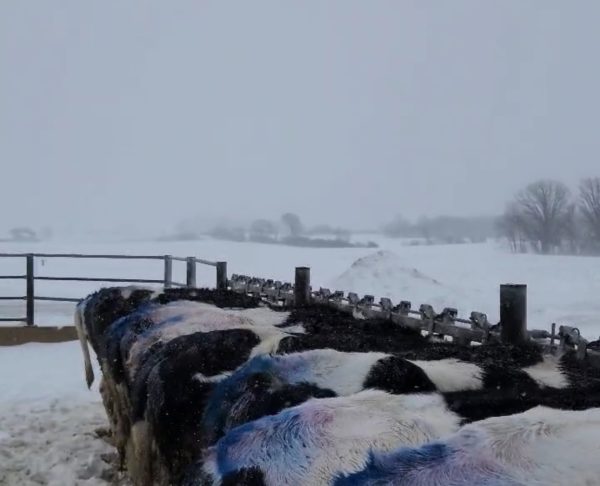
❄️ Cold Stress in Cattle: Impact on Production, Health, and Practical Management
Cold stress is an often overlooked condition in cattle, yet it can significantly affect productivity, weight gain, milk production, and overall animal health.
While heat stress is widely recognized and studied, cold environments—especially in temperate or high-altitude areas—can lead to major losses if nutritional and environmental management is not adjusted.
What is Cold Stress?
Cold stress begins when ambient temperatures drop below the animal’s lower critical temperature (LCT). At this point, the cow starts using extra energy just to maintain her core body temperature.
If this additional energy requirement is not met through the diet, the animal will begin to lose body condition and productivity.
When Does It Occur?
An adult cow in good body condition with a dry winter coat can tolerate cold fairly well. However:
-
When the wind-chill index drops to around –7 °C (19.4 °F), her energy needs increase.
-
If the animal is wet, underweight, or standing in mud, her cold tolerance is reduced, and cold stress can begin at 0–5 °C (32–41 °F).
These conditions increase energy expenditure and reduce efficiency—especially dangerous during lactation, early postpartum, or in growing calves.
What Happens in the Body?
For every degree below her critical temperature, a cow requires 1–2% more dietary energy. If this is not provided, the following signs appear:
-
Lower feed intake
-
Reduced weight gain
-
Decline in milk production
-
Increased susceptibility to disease
In calves, cold stress can delay growth, weaken immunity, and increase mortality risk.
Why Not Use the THI?
The Temperature-Humidity Index (THI) is widely used to assess heat stress, but it does not apply to cold stress.
Instead, cold stress is evaluated with different tools:
-
Wind-Chill Index: combines wind speed and temperature
-
Lower Critical Temperature (LCT): species- and condition-specific
-
Cold Stress Index: includes temperature, wind, and humidity
These help determine when cold management measures are necessary.
What Can You Do on Your Ranch?
If you’re raising cattle in cold climates, elevated regions, or managing livestock during winter, here are three key actions to reduce the impact of cold stress:
✅ Keep the coat dry
Provide shelter, windbreaks, and dry bedding to reduce heat loss.
✅ Minimize mud
Improve drainage and use dry bedding to reduce exposure to moisture and cold ground.
✅ Increase dietary energy
Boost energy density in feed with grain or protected fats during extremely cold days to meet increased maintenance needs.
Conclusion
Cold stress is real, silent, and costly. Unlike heat stress, it’s often harder to notice—until production declines or health issues appear.
At BovinosVirtual, we promote modern, science-based livestock management. Our hands-on training in nutrition, comfort, and climate adaptation helps producers protect productivity and animal welfare.
Related Posts